Getting your Cordova applications into users’ hands smoothly and efficiently remains a challenge for many mobile developers. With the rapid pace of technology changes, deploying updates and new versions must be optimized for speed, stability, and ease of management. In 2024, mastering deployment strategies tailored for Cordova can make a significant difference in app performance and user satisfaction. This guide walks through proven techniques to streamline your deployment process and avoid common pitfalls.
Optimizing Cordova app deployment in 2024 involves adopting automation, leveraging modern CI/CD practices, managing plugins efficiently, and understanding platform-specific nuances. Applying these strategies helps reduce release times, minimizes errors, and enhances user experience, ensuring your app stays competitive in a fast-changing mobile landscape.
Understanding the Landscape of Cordova Deployment in 2024
Cordova has been a popular choice for hybrid app development, enabling developers to build cross-platform applications with a single codebase. However, deploying these apps efficiently can be complex, especially with frequent updates, platform changes, and user expectations for seamless experiences. The key to success is adopting a systematic approach that combines automation, best practices, and strategic planning.
Why Deployment Strategies Matter for Cordova Apps
Deploying Cordova applications isn’t just about pushing code to app stores. It involves managing plugin compatibility, platform-specific requirements, testing across devices, and coordinating updates without disrupting users. A well-structured deployment process minimizes downtime, reduces errors, and accelerates the release cycle.
Practical Steps to Optimize Cordova Deployment in 2024
- Automate Your Build and Release Workflow
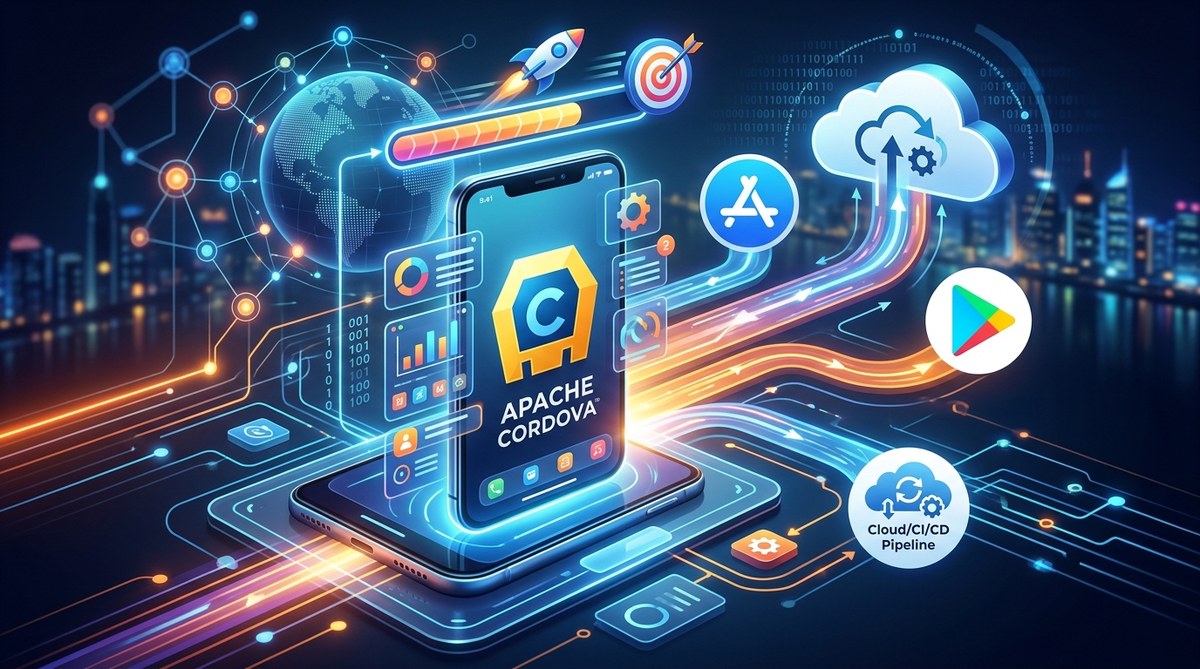
Automation is vital for consistent, reliable deployments. Using tools like GitHub Actions or Bitrise can streamline building, testing, and deploying your Cordova apps. Set up pipelines that automatically fetch dependencies, run tests, build platform-specific binaries, and upload to app stores or beta distribution platforms.
“Automation reduces manual errors and speeds up release cycles. It’s the backbone of efficient deployment in 2024,” advises mobile deployment specialist Mark Johnson.
CI/CD practices ensure that every code change is tested and integrated seamlessly. For Cordova projects, this means automating plugin management, platform updates, and build processes. Incorporate steps to validate plugin compatibility, update dependencies regularly, and run automated tests on real devices or emulators.
- Use services like Jenkins or CircleCI for flexible pipelines.
-
Maintain a staging environment mimicking user conditions for pre-release testing.
-
Manage Plugins and Dependencies Carefully
Plugins extend Cordova’s capabilities but can introduce compatibility issues. Keep plugins updated, and verify their compatibility with the latest platform versions. Use tools like Cordova Plugin Registry and analyze plugin dependencies to prevent conflicts.
| Technique | Mistake | Solution |
|---|---|---|
| Using outdated plugins | Compatibility issues | Regularly update plugins and test before release |
| Ignoring platform-specific issues | App crashes or bugs | Test thoroughly on all target platforms |
- Optimize the Build Process for Faster Releases
Build times can slow down deployment. To avoid delays:
- Use incremental builds where possible.
- Cache dependencies and build artifacts.
- Run build jobs in parallel on multiple VMs or containers.
-
Use platform-specific build tools like Android Studio and Xcode command line tools integrated into your pipeline.
-
Leverage Platform-Specific Deployment Techniques
Each platform has unique deployment considerations:
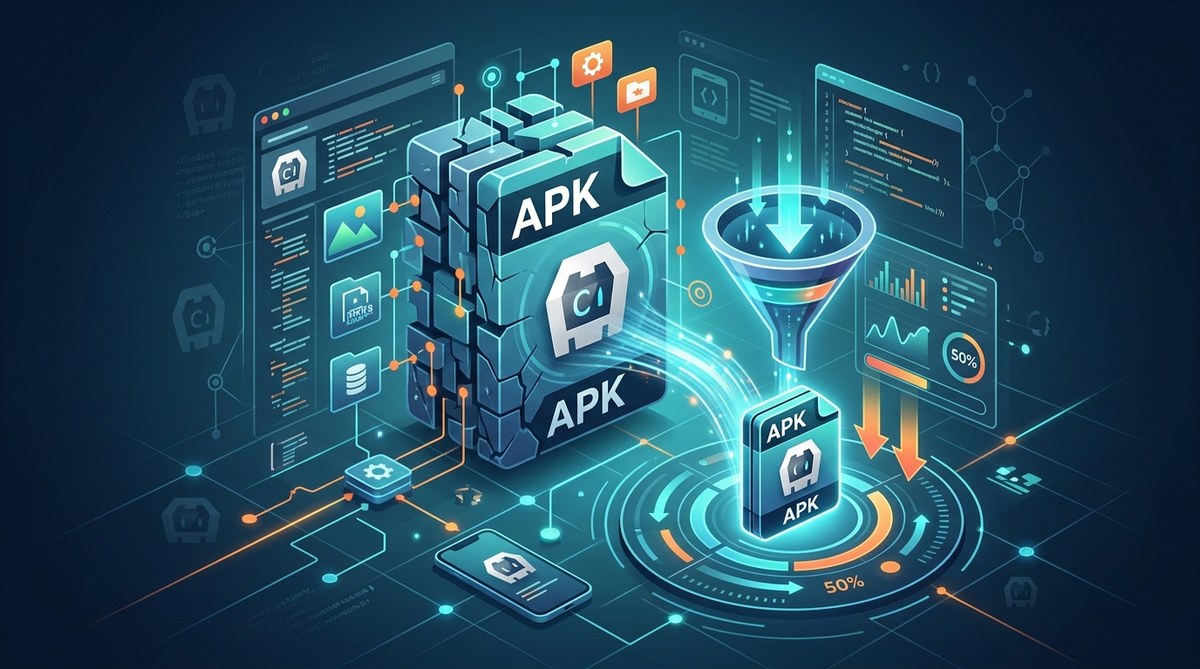
- For Android, consider using Split APKs to reduce download size and improve user experience.
-
For iOS, employ app thinning to deliver only necessary resources.
-
Use Feature Flags and Remote Configuration
Feature flags help in deploying updates gradually. You can toggle features without new app versions, reducing risks and gathering user feedback before full rollout.
- Platforms like Firebase Remote Config make this process straightforward.
-
Combine feature toggles with A/B testing to validate new features.
-
Ensure Smooth App Store Submissions
Stay updated with platform-specific requirements:
- Keep your app’s metadata, screenshots, and versioning compliant.
- Use automated tools to validate app store guidelines.
- Prepare for rapid re-submission if issues arise post-deployment.
Common Pitfalls and How to Avoid Them
| Technique | Mistake | How to fix it |
|---|---|---|
| Skipping testing | Deploying buggy apps | Automate testing across devices and emulators |
| Ignoring plugin updates | Compatibility problems | Schedule regular dependency reviews |
| Manual deployment processes | Slow releases | Automate with CI/CD pipelines |
| Not monitoring post-deployment | Unnoticed crashes | Use crash analytics like Firebase Crashlytics |
| Overlooking platform differences | Platform-specific bugs | Test on both Android and iOS devices regularly |
Expert Advice for a Smoother Deployment Experience
“Always treat deployment as an ongoing process, not a one-time event. Regularly review your CI/CD pipeline, update plugins, and monitor app performance. Automation and strategic planning are your best allies in 2024,” emphasizes senior developer Lisa Carter.
Best Practices for Staying Ahead in 2024
- Keep dependencies up to date, especially plugins and SDKs.
- Automate testing on real devices, not just simulators.
- Use staged rollouts and feature flags to minimize risk.
- Document your deployment process for team consistency.
- Regularly review platform guidelines and update your processes accordingly.
Wrapping Up Your Cordova Deployment Journey
Optimizing your deployment strategy for Cordova applications in 2024 may seem complex at first. However, by integrating automation, managing dependencies carefully, and leveraging platform-specific techniques, you can make the process smoother and more reliable. Remember, the goal is to deliver high-quality updates quickly without sacrificing stability.
Take the time to set up a solid CI/CD pipeline, stay informed about platform changes, and monitor your app’s performance post-release. With these practices, you’ll be well on your way to maintaining a competitive edge and providing an excellent user experience in a rapidly evolving mobile environment.